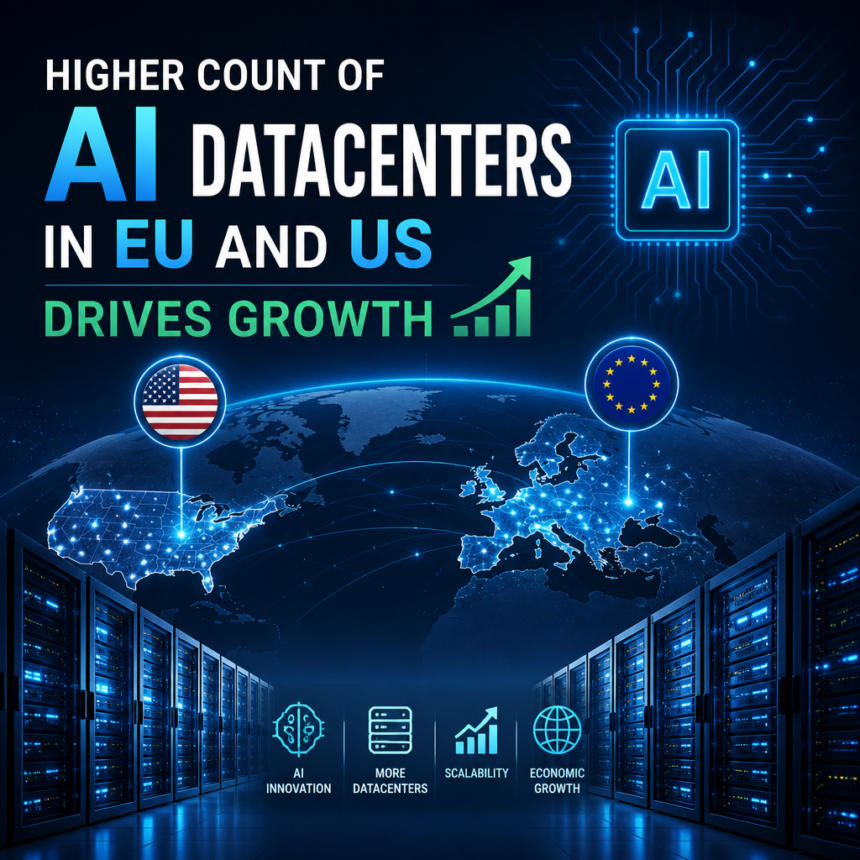
The rapid rise of AI has sparked a surge in specialized AI datacenters across the EU and US, fueling innovation and meeting the growing demand for advanced computing power. Discover how this higher count of AI datacenters is shaping the future of technology and digital transformation on both continents.
The Rise of AI Datacenters: Why a Higher Count Matters in the EU and US
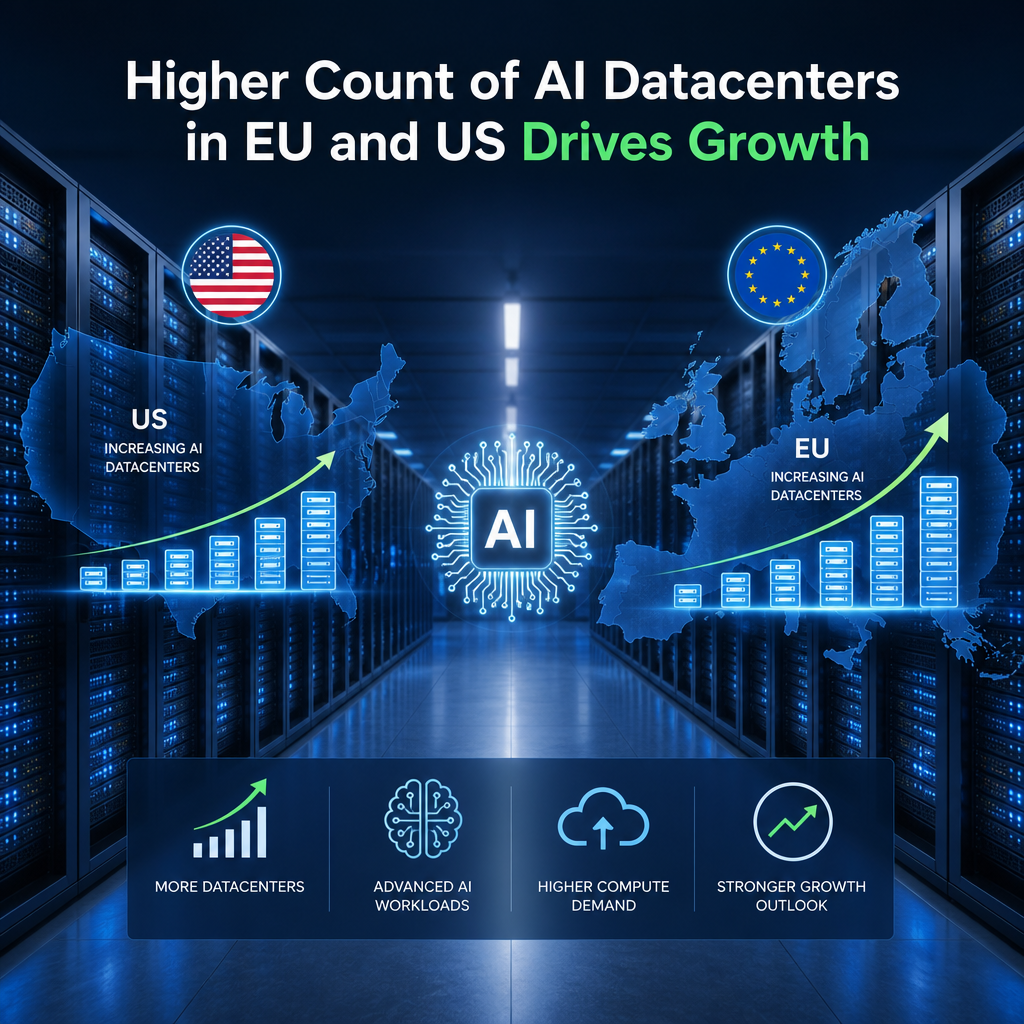
Artificial intelligence (AI) has become a cornerstone of innovation and digital transformation worldwide. To support the rapidly growing computational needs of AI applications, the number of specialized AI datacenters has surged, especially in major tech hubs such as the EU and the US. This trend reflects not only technological advancement but also strategic economic and geopolitical interests.
In this article, we explore why a higher count of AI datacenters is essential, what drives their growth, and the implications for the EU and US markets.
What Are AI Datacenters?
An AI datacenter is a specialized facility designed to support AI workloads—ranging from machine learning model training and inference to large-scale data analytics. These datacenters differ from traditional ones through:
- Advanced GPU and TPU hardware optimized for AI processing
- High-bandwidth, low-latency networking infrastructure
- Cooling systems tailored for dense computing environments
- Enhanced AI-focused software ecosystems and frameworks
Such infrastructure is critical because AI operations are computationally intense and demand massive data throughput, making conventional datacenters insufficient for modern AI needs.
Why Is There a Higher Count of AI Datacenters Now?
1. Exploding Demand for AI Services
AI applications, including natural language processing, autonomous vehicles, personalized medicine, and financial forecasting, generate tremendous demand for computing power. Increased AI adoption by businesses and governments is driving the construction of more AI-specialized datacenters.
2. Data Sovereignty and Regulatory Compliance
Especially in the EU, data protection regulations such as GDPR require data to stay within geographical borders or meet strict privacy standards. This incentivizes building localized AI datacenters to address data sovereignty, driving up the number of facilities within the region.
3. Competitive Edge in Technological Innovation
Both the EU and US are investing heavily in AI infrastructure to ensure they remain leaders in AI innovation. The proliferation of AI datacenters reflects strategies to attract AI startups, research projects, and tech giants that require dedicated computational resources.
AI Datacenters in the EU vs. the US: Key Differences
EU: Emphasis on Regulatory Compliance and Sustainability
- Regulatory Environment: AI datacenters in the EU operate under stringent data privacy laws. This often means redundancy in data centers to ensure compliance and robustness.
- Green Initiatives: The EU is a leader in pushing for energy-efficient and sustainable datacenter designs, integrating renewable energy sources and advanced cooling technologies.
- Fragmented Market: The EU’s multiple nations mean datacenter growth is spread across different countries, each with varied incentives and infrastructure maturity.
US: Scale and Innovation Hub
- Scale: The US, home to major tech companies like Google, Amazon, and Microsoft, hosts some of the largest AI datacenters in the world.
- Innovation Ecosystem: Proximity to top universities and research centers fuels continuous hardware and software innovation in AI datacenters.
- Favorable Business Environment: Tax incentives, strong infrastructure, and a skilled workforce accelerate the establishment of new datacenters.
Benefits of a Higher Count of AI Datacenters
1. Improved Performance and Reduced Latency
More datacenters closer to end-users mean faster processing times and reduced latency, critical for AI applications like autonomous driving or real-time language translation.
2. Enhanced Data Security and Compliance
Higher datacenter count allows for better geographic distribution, enabling compliance with regional data laws and reducing risks associated with data breaches or outages.
3. Economic Growth and Job Creation
Building and maintaining AI datacenters creates jobs and drives investment in surrounding areas, boosting local economies in both the EU and the US.
4. Innovation Acceleration
Having more AI datacenters facilitates experimentation and scaling up of AI projects. It lowers infrastructure bottlenecks and encourages rapid AI research and deployment.
Challenges in Expanding AI Datacenter Infrastructure
Energy Consumption
AI datacenters consume enormous amounts of energy, raising sustainability concerns and prompting the need for greener alternatives.
High Capital Costs
Constructing AI datacenters with cutting-edge hardware requires significant upfront investment, limiting entry for smaller players without strong backing.
Supply Chain Constraints
Global chip shortages and component supply disruptions can delay datacenter buildouts, impacting AI development timelines.
Future Outlook: AI Datacenters in the EU and US
The trend towards a higher count of AI datacenters in the EU and US is poised to continue, driven by the insatiable demand for AI compute power and strategic imperatives. We can expect:
- Increased investment in sustainable and energy-efficient AI datacenters
- More regional and cross-border collaborations to optimize AI infrastructure
- Enhanced competition between data center providers, pushing innovation and cost reductions
Both the EU and US will need to balance growth with environmental and regulatory constraints while maintaining leadership in AI technology development.
Conclusion
The higher count of AI datacenters in the EU and US marks a pivotal shift in how digital infrastructure supports artificial intelligence. These specialized datacenters are vital for meeting growing performance demands, ensuring compliance, and fostering innovation. As AI continues to integrate into everyday life and critical industries, these AI datacenters will remain the backbone of a data-driven future on both sides of the Atlantic.


