
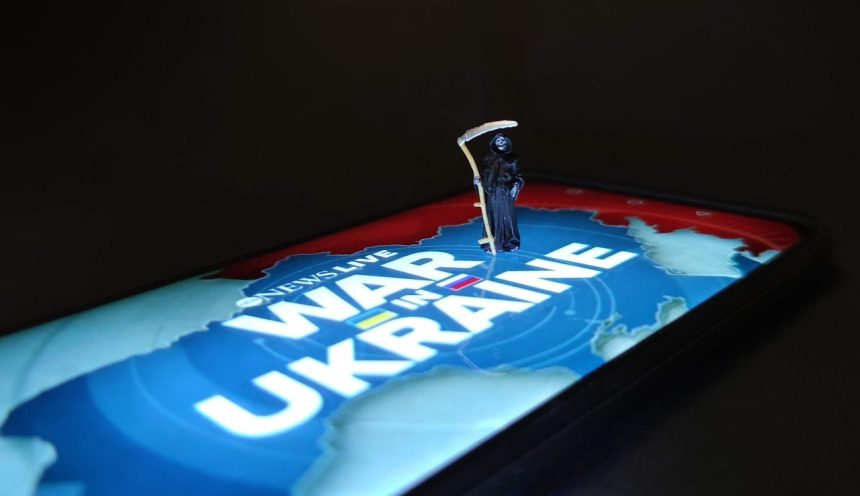
Stay informed with the latest war news updates that not only bring you real-time conflict developments but also reveal how these stories shape global opinions and policies. Discover the powerful role war news plays in connecting us to the frontlines and influencing the world beyond.
Understanding What News About War Means in Today’s World
What news, war, and the connection between them may seem straightforward at first glance, but the reality is far more complex and significant. News about war affects not only the immediate regions involved but also shapes global politics, public opinion, economies, and humanitarian responses. In this article, we will explore how war-related news is reported, its impact on societies, and the role it plays in shaping international relations.
The Role of War News in Media
War has been a recurring theme in human history, and its coverage in the media has evolved alongside technological advancements. In earlier times, news about war was slow to reach the public, often filtered through official channels or delayed reports from correspondents. Today, with 24/7 news cycles and instant communication via social media, updates about conflicts appear almost in real-time.
This immediacy of war news keeps the global population informed but also presents challenges. Journalists on the frontlines face enormous risks to report accurately and impartially. The rapid spread of misinformation and propaganda further complicates understanding the true nature of wartime events.
Moreover, war news can serve dual purposes: it informs the public about critical developments and simultaneously can be used as a tool for psychological operations. Governments and groups often use media to influence domestic and international opinions, shaping the narrative to justify actions or elicit support.
How War News Impacts Public Opinion and Policy
The dissemination of information about ongoing conflicts plays a crucial role in shaping public sentiment. Graphic images, personal stories of loss, and frontline reports humanize the abstract idea of war, creating empathy and sometimes outrage among audiences.
When war news reaches global audiences, it can spur civilian movements, humanitarian aid campaigns, and diplomatic pressure. Public opinion, fueled by media coverage, often influences political decisions, including whether nations choose to intervene, impose sanctions, or support peace negotiations.
For example, during significant conflicts such as the Gulf War, the Balkan wars, or more recent Middle Eastern conflicts, news coverage swayed international opinion and affected the policies of powerful nations and international organizations.
The Ethical Dimension of Reporting War News
Journalists covering wars walk a fine ethical line. On one hand, they are tasked with revealing the harsh realities of conflict, giving a voice to victims, and holding belligerents accountable. On the other hand, they must consider the potential consequences of their reporting, such as endangering lives, compromising military operations, or inadvertently spreading propaganda.
Issues such as graphic imagery, traumatic content, and privacy concerns make war reporting complex. Editors and news organizations must balance public interest with respect for human dignity. The rise of “embedded journalism,” where reporters are attached to military units, presents additional challenges regarding independence and bias.
The Evolution of War News in the Digital Era
The digital age has transformed what news, war, and communication mean to the world. Social media platforms allow citizens, soldiers, and rebels alike to share real-time footage and accounts, bypassing traditional media gatekeepers. This democratization of information means that news about war can be more immediate and multifaceted but also less regulated.
Fake news and deepfake technologies pose grave risks when it comes to war-related reporting. Misleading videos and falsified reports can inflame tensions or be used as psychological weapons. As a result, fact-checking and media literacy are more important than ever for consumers trying to understand the truth.
Furthermore, digital tools have improved transparency and accountability. Satellite imagery, for example, can verify or contradict claims made by parties in conflict, while open-source investigations by independent groups have exposed war crimes and human rights abuses.
The Human Side of War News
Amid the technical and political complexities, it is essential to remember the human stories behind war news. Beyond statistics and strategic updates, the news often highlights personal tragedies, survival stories, displacement crises, and the resilience of affected communities.
These narratives help prevent desensitization and remind global citizens of the urgency of peace-building and humanitarian assistance. They also reinforce the responsibility of news outlets to report with compassion and integrity.
Conclusion
What news, war, and their interplay reveal to us is a profound relationship between information and conflict. Timely, accurate, and responsible war news enables the world to witness the realities of violence and injustice, while also mobilizing efforts to protect human rights and promote peace. As consumers of such news, it is our duty to seek truth, understand complexity, and empathize with those caught in the crossfire. Only through informed awareness can we hope to contribute to a more peaceful and just world.


